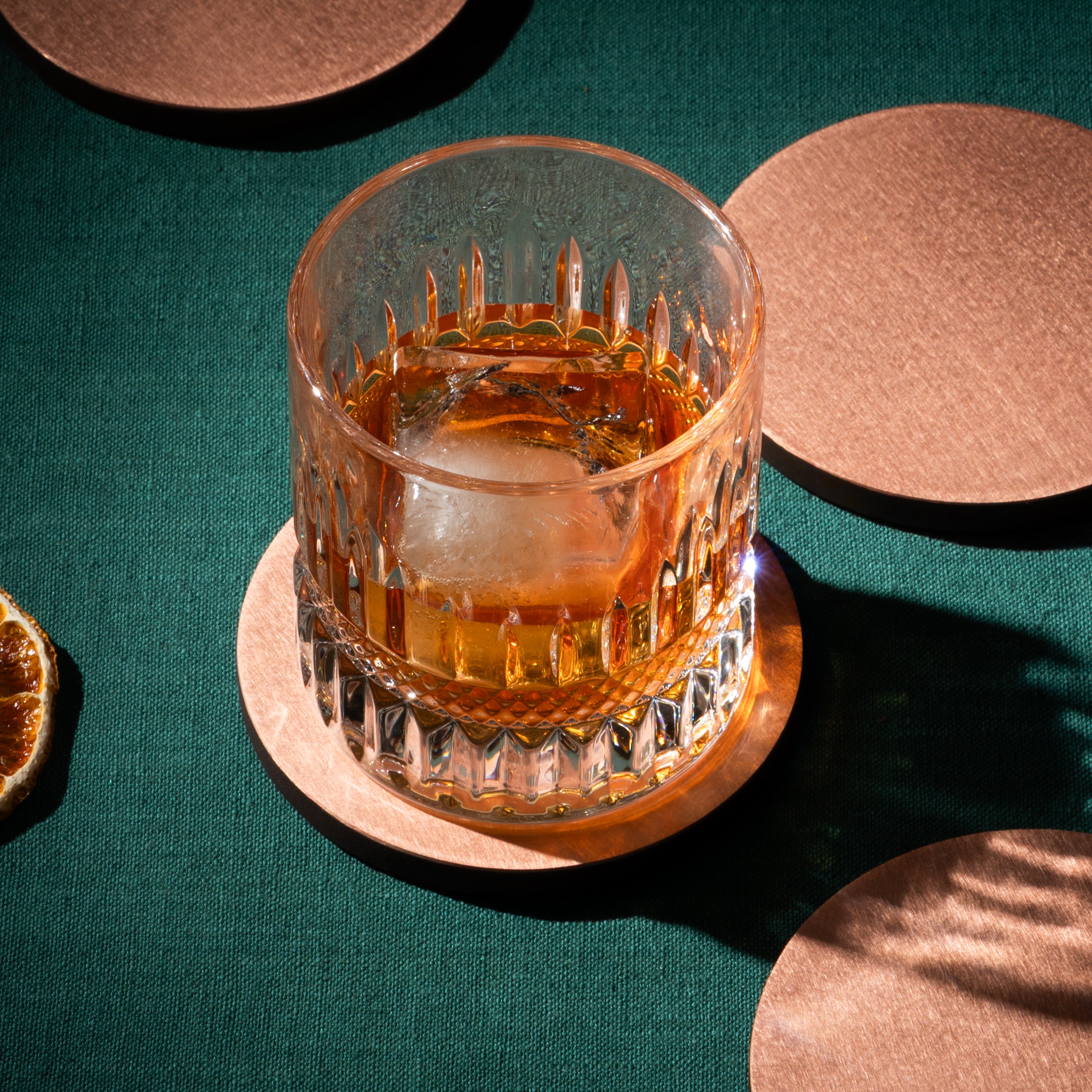
Copper, brass and bronze are living metals. Over time, they respond to their environment - shifting in tone, developing a patina, telling the story of the space they inhabit. Whether you love that evolution or prefer your piece to stay exactly as it arrived, a little care goes a long way.
Here’s how to look after yours. 👇🏼
First, know your finish.
Every Empire Copper piece leaves our workshop sealed — but not all seals are the same. Check your care card to confirm which finish your piece has, as this will determine how you clean it.
Clear Lacquer Sealed:
Our lacquer-sealed pieces have a durable protective coating that locks in the metal's finish for years to come. These require very little maintenance.
To clean, simply dust regularly or wipe with a clean, soft, damp cloth. Avoid any cleaning products, polishes, or abrasives — these can damage the lacquer and compromise the seal.
If the lacquer becomes scratched or damaged, avoid moisture on the affected area and contact us for advice.
Wax Sealed:
Our wax-sealed pieces have a more natural finish.
The wax provides a protective layer, but unlike lacquer, it is temporary — it will gradually wear over time and the metal beneath may begin to develop a patina.
This is completely normal, and many of our customers love the warmth and character that comes with age.
If you'd like to slow the process, clean only with a soft cloth and avoid harsh products such as bleach, abrasive cleaners, or acetone, which can strip the wax and damage the surface.
If you'd prefer to restore your wax-sealed piece, any patina that has developed can be gently lifted using lemon juice or a dedicated metal cleaner.
Apply either to a clean, soft cloth and rub into the surface using small, circular motions. Once you're happy with the result, remove any residue — if using lemon juice, wipe with a damp cloth; if using a metal cleaner, buff away any excess with a separate dry cloth. Dry thoroughly either way.
Note: this will also remove the wax seal — you may wish to reapply a coat of microcrystalline wax or beeswax afterward to restore protection.
A note on patina
A patina is not a flaw — it’s the metal responding to its world. Some of our most beloved pieces are those that have been well used and gently aged. If yours develops one, consider it a mark of a life well lived.
As always, if you’re ever unsure about caring for your specific piece, reach out to us.
We’re happy to help.